
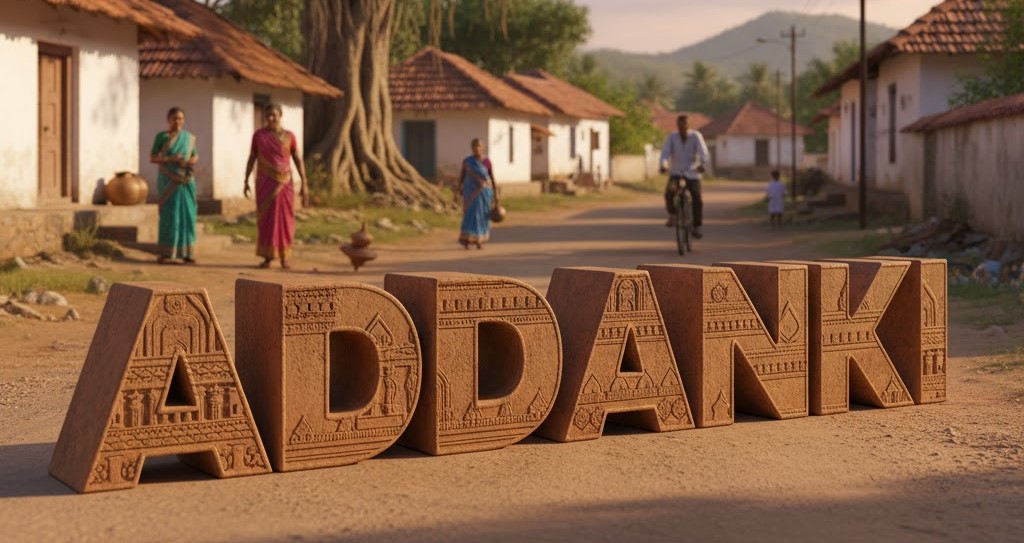
Welcome To Addanki
Addanki is a culturally rich and economically active town located in the heart of Prakasam district. Known for its heritage, the town holds historical prominence through the ancient Addanki Sasanam, one of the earliest Telugu inscriptions that highlights the region’s deep cultural roots. Addanki’s surroundings are marked by fertile farmlands, supporting major crops like paddy, cotton, groundnut, and tobacco, which contribute significantly to the local economy.
Strategically positioned along key road networks, Addanki offers strong connectivity to major towns and cities, making it an important transit and commercial center for the region. The town functions as a vital hub for education, trade, and agriculture, providing essential services and opportunities to residents of Addanki and surrounding villages.
With a warm and welcoming community, Addanki continues to modernize through expanded infrastructure, educational institutions, and business growth. Yet, despite this progress, the town proudly preserves its traditional charm, cultural identity, and historical legacy, making it a meaningful and evolving landmark within Prakasam district.
Our History

Addanki’s history is deeply rooted in medieval South Indian dynasties, making it a place of great historical pride.
First Capital of the Reddi Kingdom (1325 AD): Addanki holds the unique distinction of being the initial capital of the Reddi Kingdom. It was founded by Prolaya Vema Reddi in 1325 AD, following the decline of the Kakatiya dynasty. He ruled from here until the capital was shifted to the more fortified Kondaveedu around 1355 AD.
The Addanki Inscription: The town is famous for the Addanki Inscription, a stone tablet that stands as crucial evidence of early Telugu literature. It is widely believed to contain a version of the first Telugu poem (kandapadyam) ever written, detailing the valorous acts of the commander Pandaranga in the service of Eastern Chalukya King Gunaga Vijayaditya III in the 9th century. This inscription points to a flourishing literary tradition in the region centuries ago.
Ancient Religious Center: The area has been a continuous religious center, evident from the presence of ancient temples and monuments, including the renowned Sri Prasannajananeya Swamy Temple at Singarakonda.
Our Economy

Addanki’s economy is primarily driven by local manufacturing and agriculture, supported by its strong geographical connectivity.
Brick Industry: The town is famously known for its thriving Brick Industry. The locally manufactured bricks are often reputed for their quality and are supplied to surrounding regions.
Agriculture: Located on the banks of the Gundlakamma River, Addanki is a significant agricultural hub. Rice and other staple crops are extensively grown in the fertile lands of the region.
Connectivity and Trade: Its strategic location, well-connected by highways to major centers like Guntur and Ongole, supports local trade and commerce, making it a vibrant regional market center.
Our Culture and Heritage

The heritage of Addanki is a blend of strong religious tradition, local craftsmanship, and Telugu cultural pride.
Religious Hub:
Singarakonda Temple: The town’s most prominent heritage site is the Sri Prasannajananeya Swamy Temple at Singarakonda, a major pilgrimage destination for devotees of Lord Hanuman. The nearby hill also hosts shrines dedicated to Sri Lakshmi Narasimha Swamy.
The town also has several other temples like the Kanyakaparameswari Temple, Poleramma Temple, and various Sai Baba temples, showcasing the strong presence of Hindu devotional culture.
Literary Heritage: The Addanki Inscription itself is a major piece of heritage, connecting the town directly to the genesis of Telugu literature. The town proudly preserves this link to the Telugu language’s historical foundation.
Festivals: Like most of Andhra Pradesh, the cultural life revolves around major Hindu festivals such as Sankranti, Ugadi, and Dasara, along with local temple festivals (Jataras) that showcase local traditions, music, and food.